How to Measure Children's Feet & Check Shoe Fit
Everything you need to know about measuring children's feet, checking shoe fit, and when to measure again—in one practical guide. We compiled trusted guidance from reputable sources so you do not have to search for it yourself.
Step-by-Step Measurement Guide
Follow these 3 simple steps to obtain a practical home measurement. Small measurement differences are normal, so repeat the process and use the larger result.
Stand Upright with Full Weight
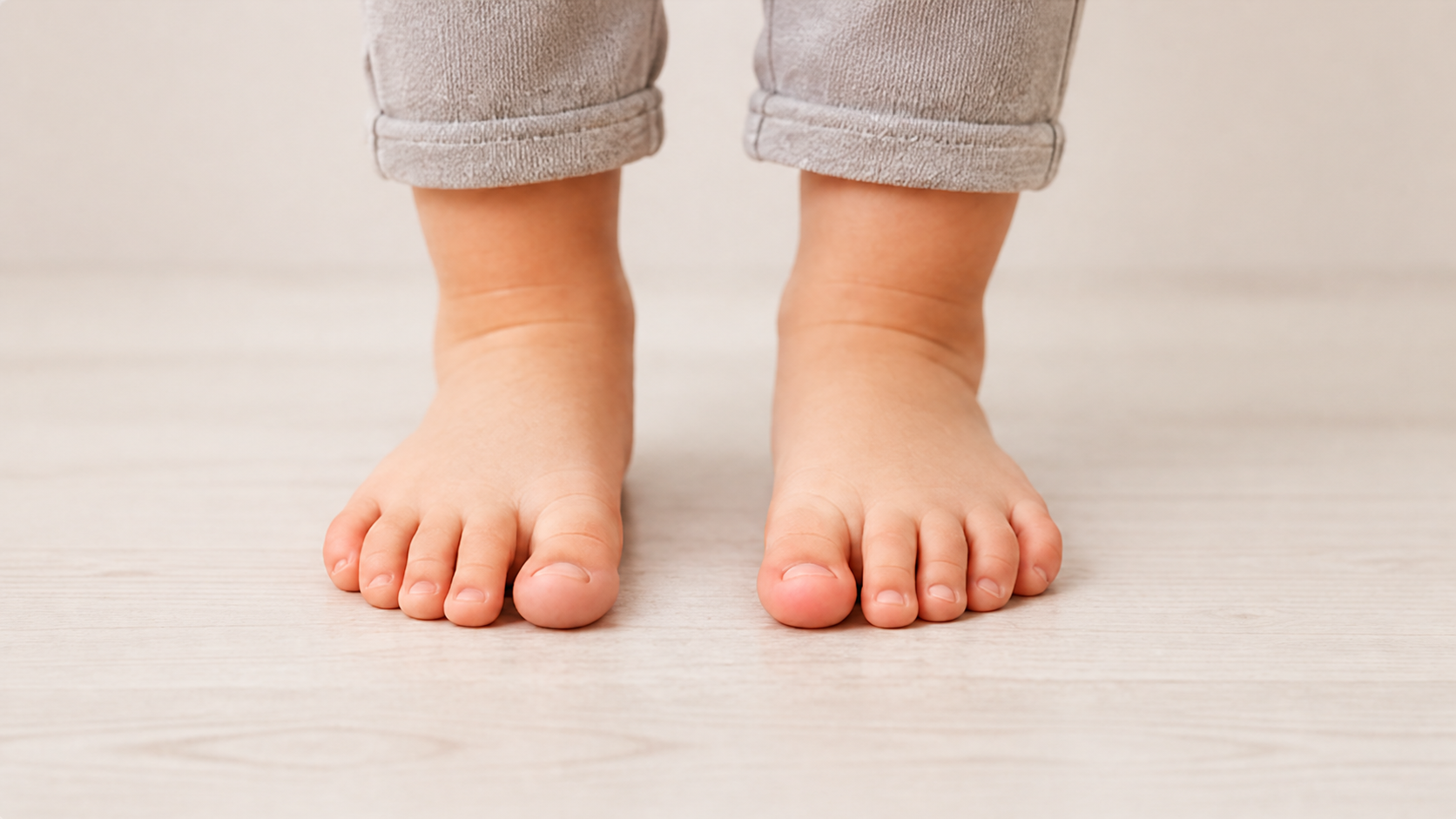
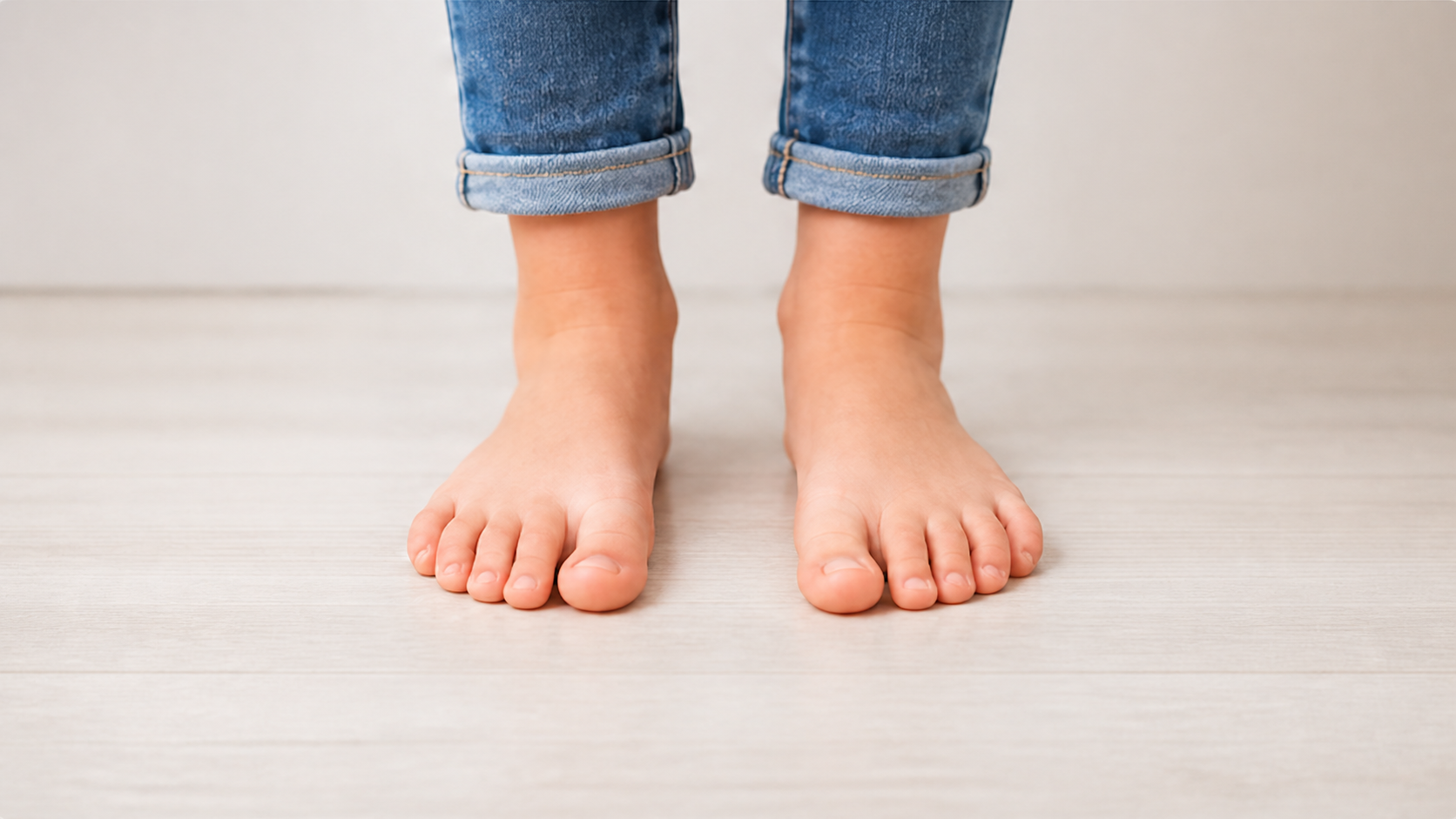
- Action: Have your child stand barefoot on a hard, flat floor with equal weight on both feet.
- Why it matters: Feet spread under body weight, so sitting and standing measurements can differ by several millimetres.
- If they move: Have your child hold a toy or focus on a book while you mark.
Heel Flat Against the Wall
- Setup: Tape a blank sheet of paper to the floor, flush against a flat wall or baseboard.
- Position: Place your child's heel lightly touching the wall with their foot flat on the paper.
- Marking: Hold your pencil straight vertical and draw a mark at the tip of the longest toe.
- Longest toe: The second toe can be longest. Mark whichever toe extends furthest.
Measure Both Feet
- Check both: Measure length and widest forefoot width on both the left and right foot.
- Why both matter: Left and right feet may differ, even when the difference is not obvious.
- Which to save: Enter the larger measurement into Growing Toes.
Common Measurement Mistakes to Avoid
Small measuring errors can affect a shoe-size decision. Avoid these 4 pitfalls:
Measuring while sitting or lying down
Unweighted feet can measure differently because the arch and forefoot are not carrying body weight.
Instead: Always measure with your child standing upright with full weight on a hard floor.
Assuming the big toe is always longest
The second toe can extend beyond the big toe.
Instead: Find the absolute furthest tip regardless of which toe it is.
Slanting the pencil inwards under the toes
Angling the pen under the toe curve can subtract a few millimetres from the true length.
Instead: Hold your pencil strictly vertical, perpendicular to the floor.
Only measuring one foot
Left and right feet can differ, even when the difference is not obvious.
Instead: Measure both feet every time and size for the larger one.
How Should Children's Shoes Fit?
A good fit is more than toe room. Check the actual shoe while your child is standing and, when possible, walking. Check both feet and fit the shoe to the larger foot.
When buying new shoes: Use the category-specific allowances below as recommended starting points when buying new shoes, together with the fit checks above:
- Sandals: 8 mm extra length / 2 mm extra width.
- Sneakers: 12 mm extra length / 3 mm extra width.
- Boots: 14 mm extra length / 4 mm extra width.
When should you replace the shoes?
If less than 5 mm of extra length remains beyond the longest toe, replace the shoe with a larger pair. Five millimetres is a minimum fit limit, not a target for buying new shoes: it means the shoe is already too short.
Look for These 3 Things Before Buying Shoes for Your Child!
Start with these three essentials, then use the bonus tips to narrow down your choice:
The 3 Essentials
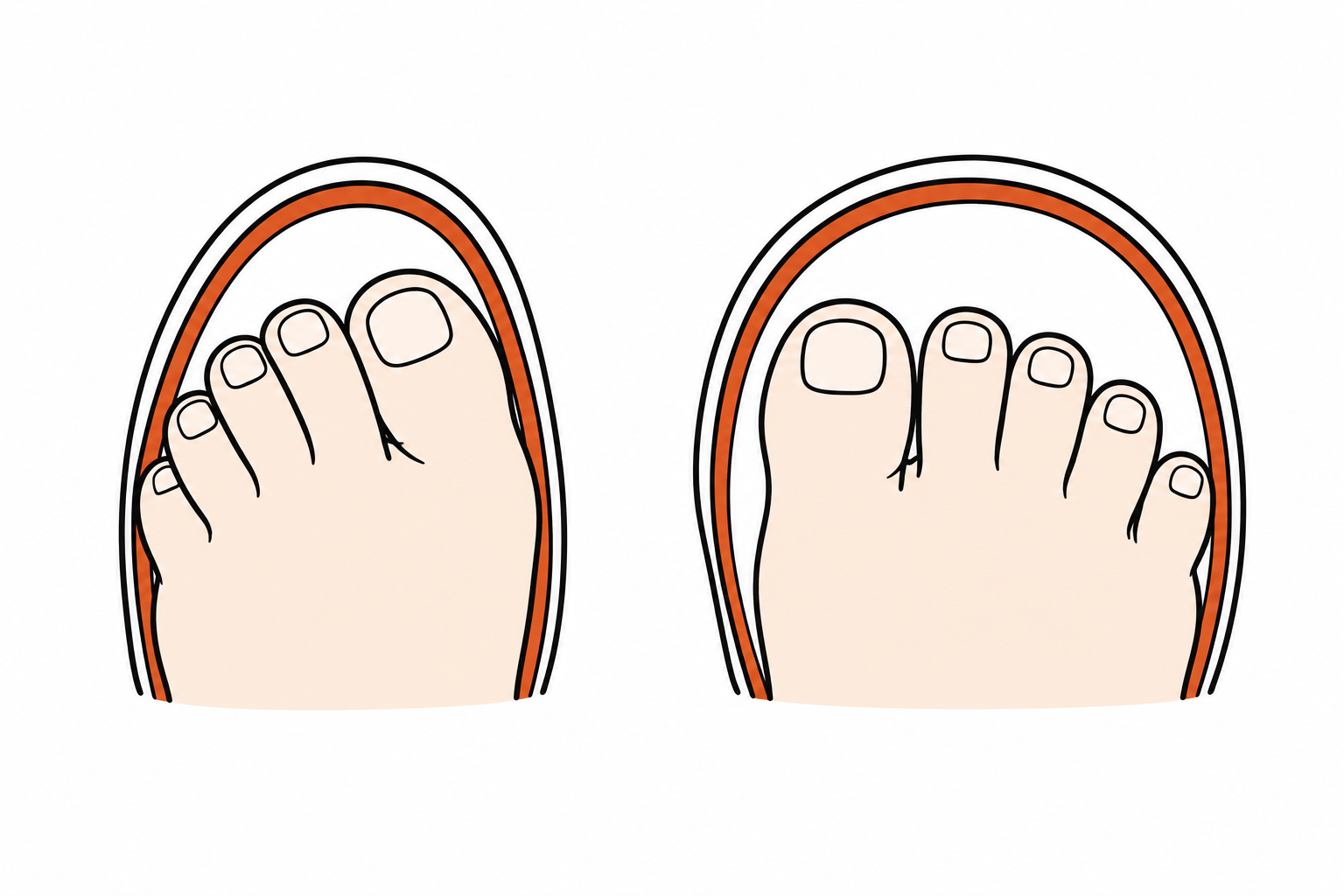
Wide toe box
Look for shoes with a wide, rounded toe box so the toes can spread and move naturally. A narrow or pointed toe box squeezes the toes and may contribute to pressure, altered toe alignment, and foot deformity over time.
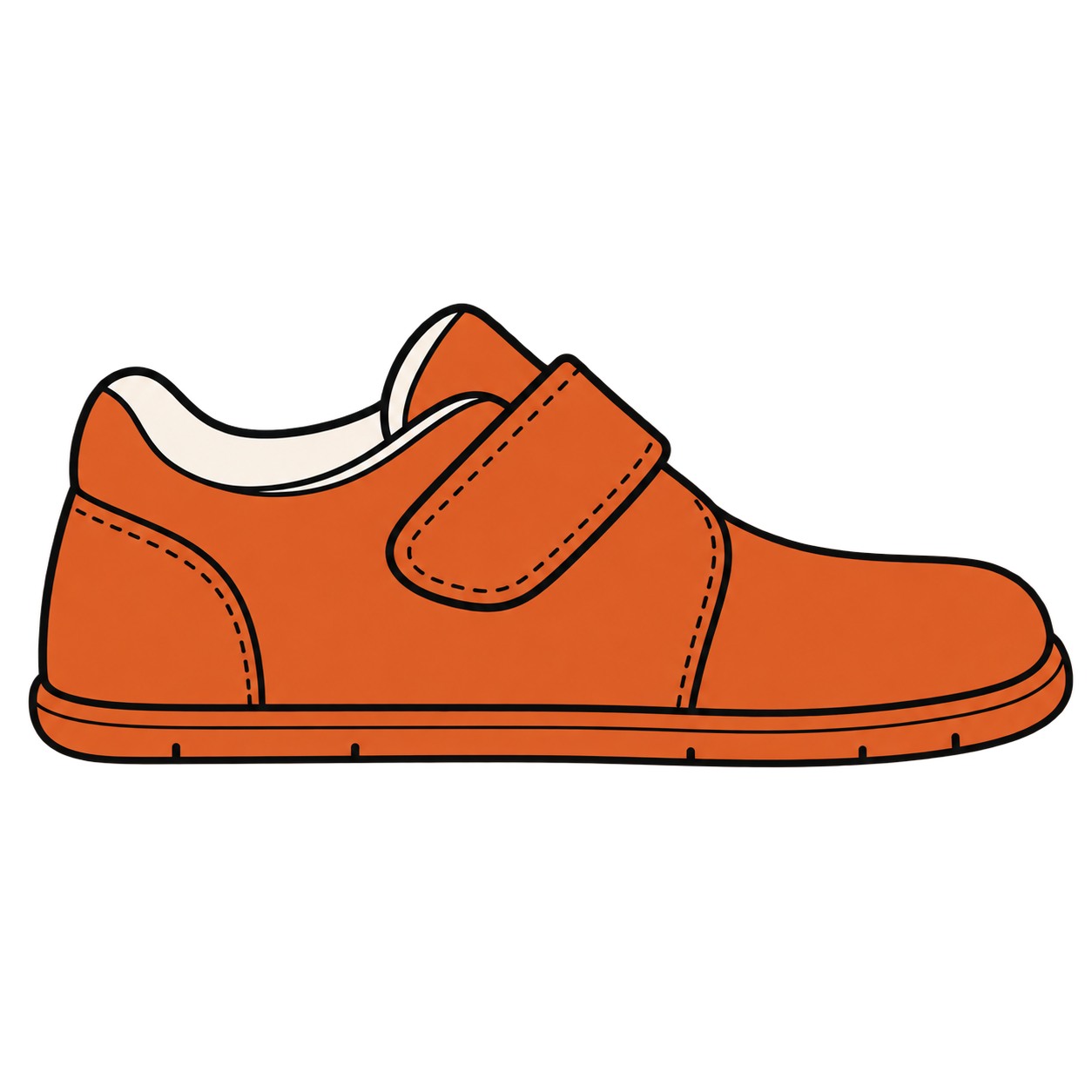
Zero drop
Choose a thin sole with zero drop, meaning the heel and forefoot sit at the same level. Avoid heels and unnecessarily chunky or rigid soles that add weight and reduce natural movement.
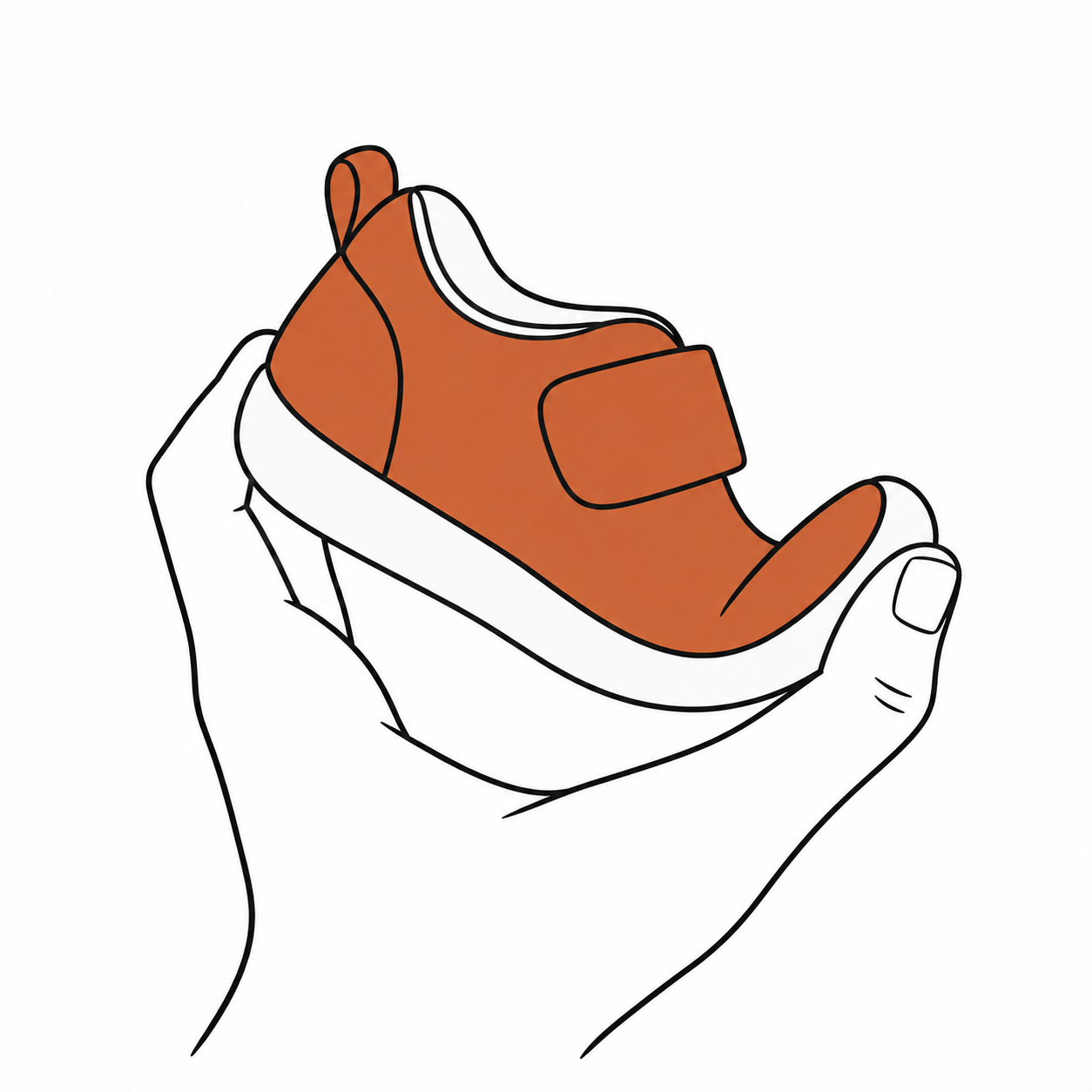
Flexibility
Check that the shoe bends easily at the front where the toes bend. Some toddler shoes have outsoles that are too stiff—imagine trying to walk in wooden clogs. Avoid shoes that fold in the middle or twist too easily.
Bonus Tips
Fastening
Prefer a fastening your child can manage independently, such as Velcro, a simple buckle, or laces when age-appropriate. Taking part in getting dressed helps build confidence.
Weight and materials
Compare shoes in your hands and choose a lightweight, breathable pair that still protects the foot.
Weather and season
Choose breathable shoes for warm weather and water-resistant or warmer shoes for cold and wet conditions. Make sure seasonal socks do not take away the available toe room.
How to Measure Inner Shoe Space
A shoe-size label does not tell you how much usable space is inside the shoe. When possible, measure the removable insole and then confirm the fit in the actual shoe.
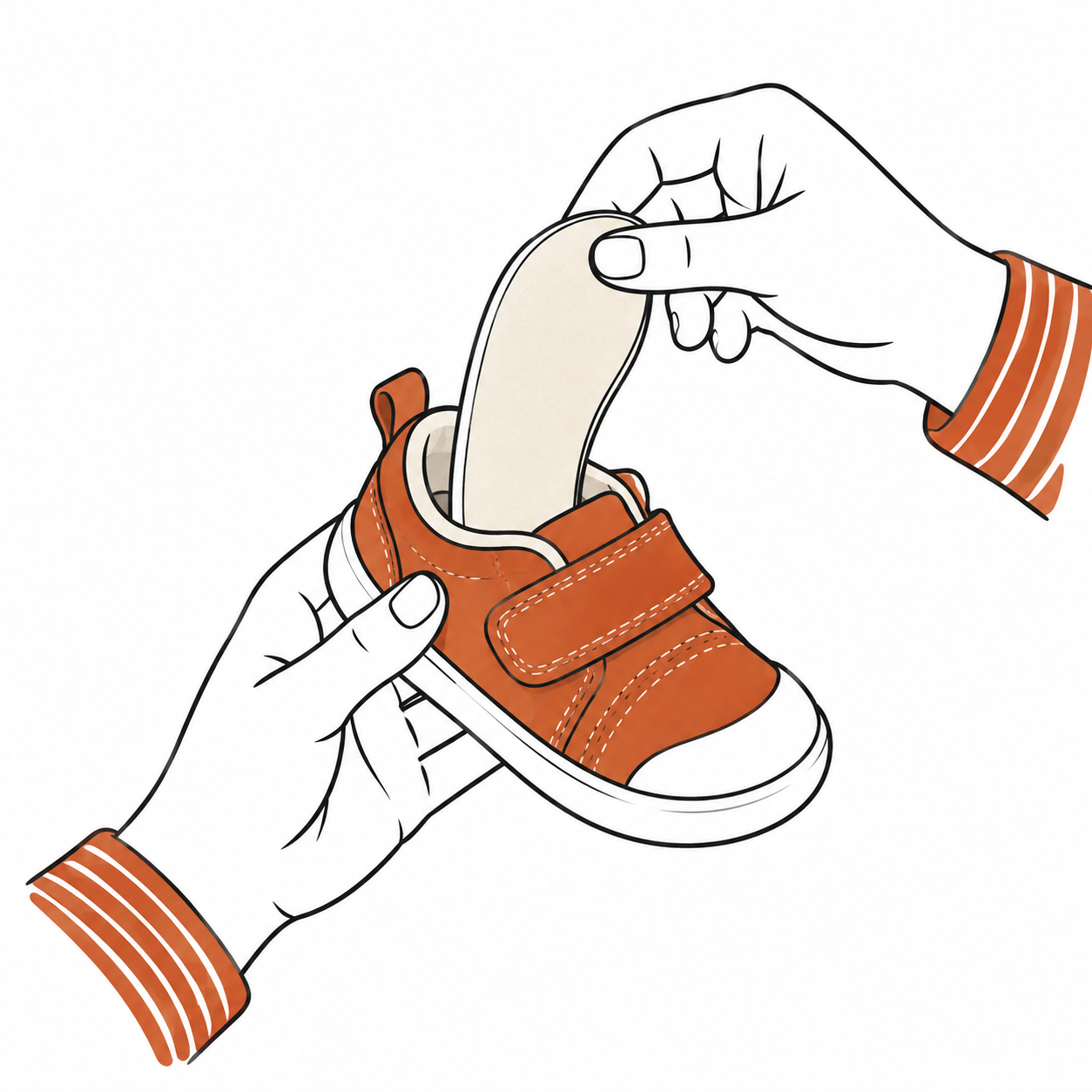
Remove the Insole
Carefully remove the insole or sockliner. If it cannot be removed, measure inside the shoe as accurately as possible and treat the result as approximate.
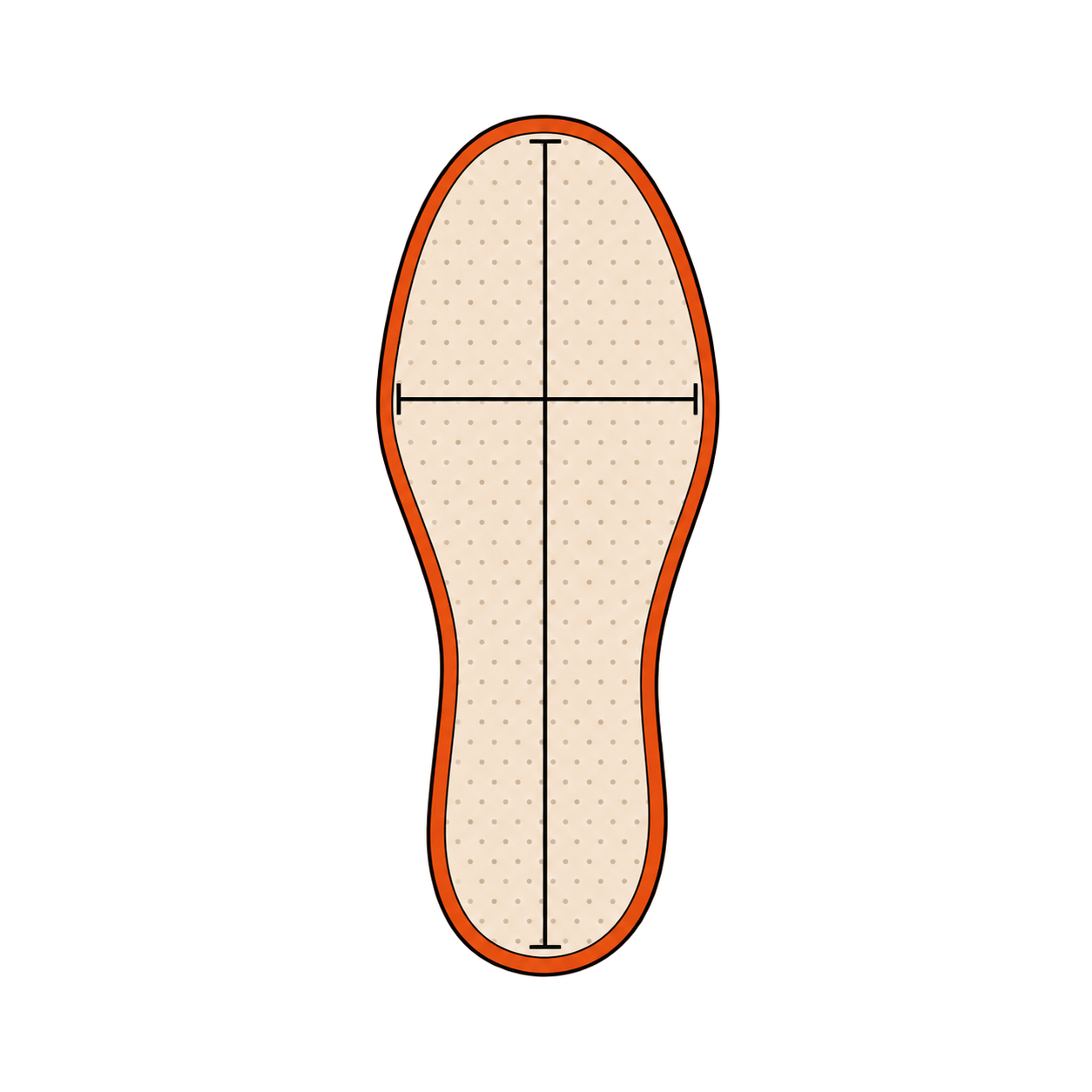
Measure Length & Width
Use a rigid ruler to measure heel to toe along the centre line and across the widest part of the forefoot. Record the insole length and width in Shoe Rack so you can see how your child's measured foot fits against the shoe's labelled size.
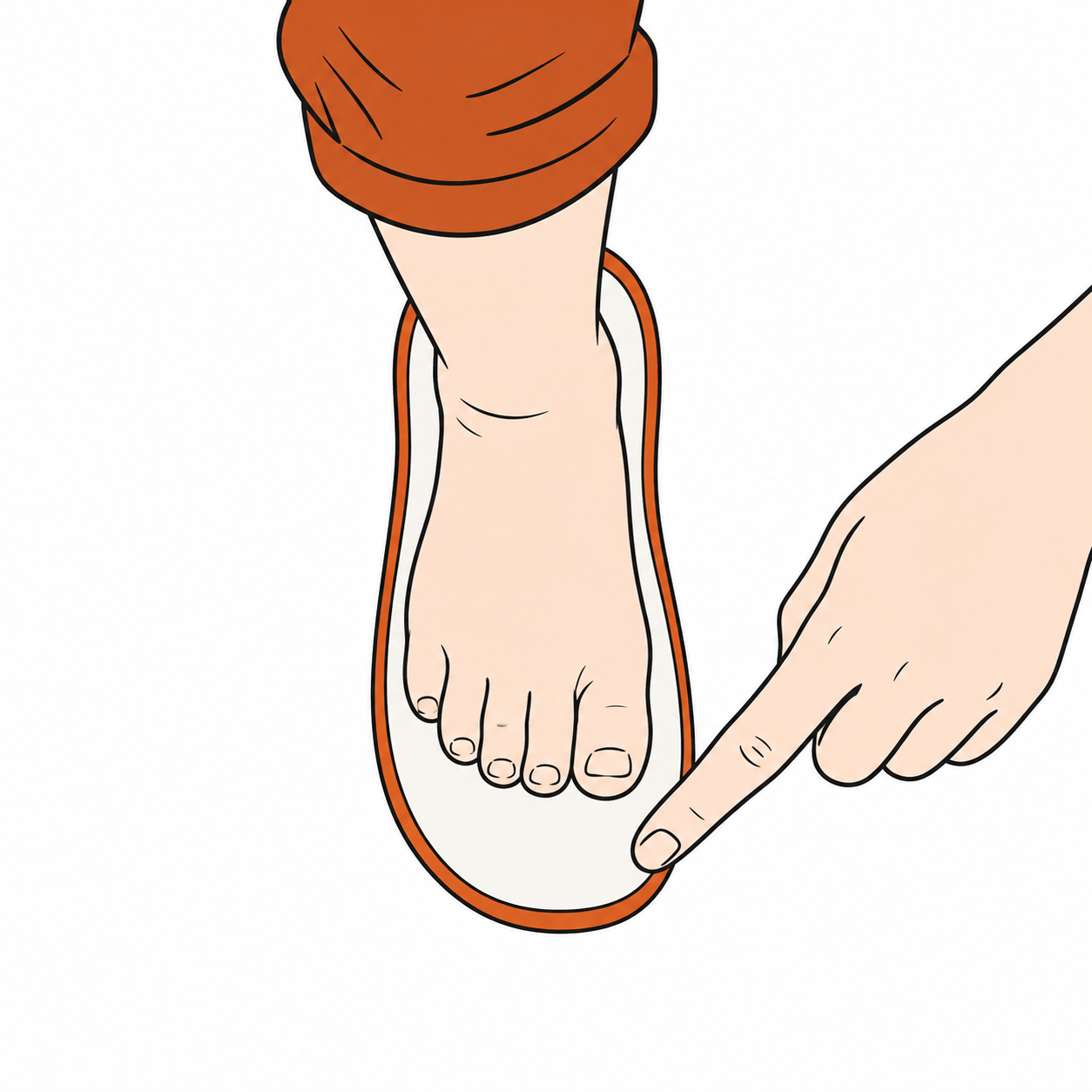
Check on the Insole
Place the insole flat on a hard floor. Have your child stand on it with the heel aligned to the back edge. Check the longest toe, the selected toe-room allowance and whether the foot stays within the insole's width.
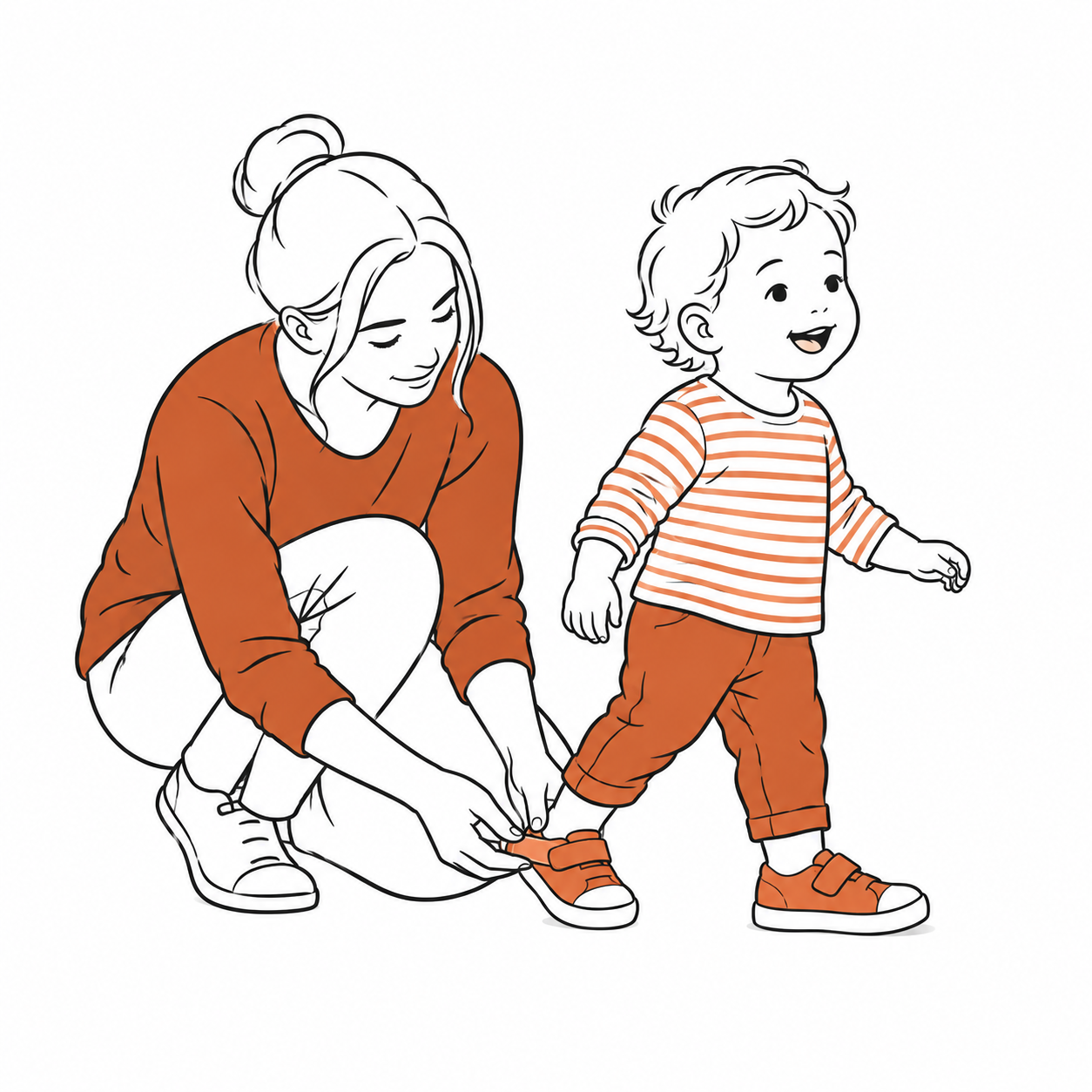
Try the Shoe
Put the insole back, use the intended socks and fasten the shoe normally. Have your child stand and walk. The final check must be in the actual shoe because an insole cannot show top pressure, heel security or the complete shoe shape.
Top 10 Questions About Children's Shoe Fit
Quick answers to the questions parents ask most often when choosing and checking children’s shoes.
How much extra room should children’s shoes have?
When buying new shoes, use the category-specific starting points shown above beyond the longest toe. The shoe should still hold the heel securely and feel comfortable when your child walks.
How do I measure my child’s feet correctly?
Measure while your child is standing barefoot on a hard, flat floor. Measure both length and width, and mark the longest toe rather than assuming it is always the big toe.
How do I know if my child’s shoes are too small?
Check for less than 5 mm of space beyond the longest toe, pressure on the toes or top of the foot, rubbing, blisters, persistent red marks, or discomfort while walking.
How do I know if my child’s shoes are too big?
The heel may slip, the foot may slide forward, or your child may walk less steadily. A secure fastening should hold the foot in place without painful pressure.
How should children’s shoes fit in width and around the toes?
The toe box should be wide and deep enough for the toes to move naturally. The shoe should not squeeze the sides, press down on the top, or bulge around the foot.
Should I measure my child’s feet with socks?
Measure the feet barefoot. When choosing new shoes, consider whether your child will wear them barefoot, with thin socks, or with thicker socks, because socks can change the required space.
How should barefoot shoes fit children?
Barefoot-style shoes should follow the shape of the foot, allow natural toe movement, keep the heel secure, and avoid pressure on the sides or top. Flexibility alone does not guarantee a good fit.
Which first shoes should I buy for my child?
If your child is not walking independently yet, structured shoes are usually unnecessary. For warmth or outdoor protection, choose soft-soled booties (capáky) or socks that do not squeeze the toes. Once your child walks independently, choose lightweight first walking shoes with a wide toe box, a sole that flexes at the front, a secure fastening, a non-slip sole, and enough room for growth.
How often should I check my child’s shoe size?
Check the fit regularly because children’s feet grow at different rates. Use the age-based check-in schedule above as a starting point, and check sooner if your child reports discomfort or the shoes begin rubbing.
What shoes should my child wear at daycare?
For typical daycare use, choose lightweight, breathable shoes with a secure fastening, a toe box that follows the foot, and a sole that flexes at the front without easily twisting in the middle. Choose a pair suitable for indoor play and outdoor activity, and check the fit with the socks your child wears there.
How Often Should You Measure Children's Feet?
Children's feet do not all grow at the same pace. Use this as a practical check-in plan, not as an official clinical rule.
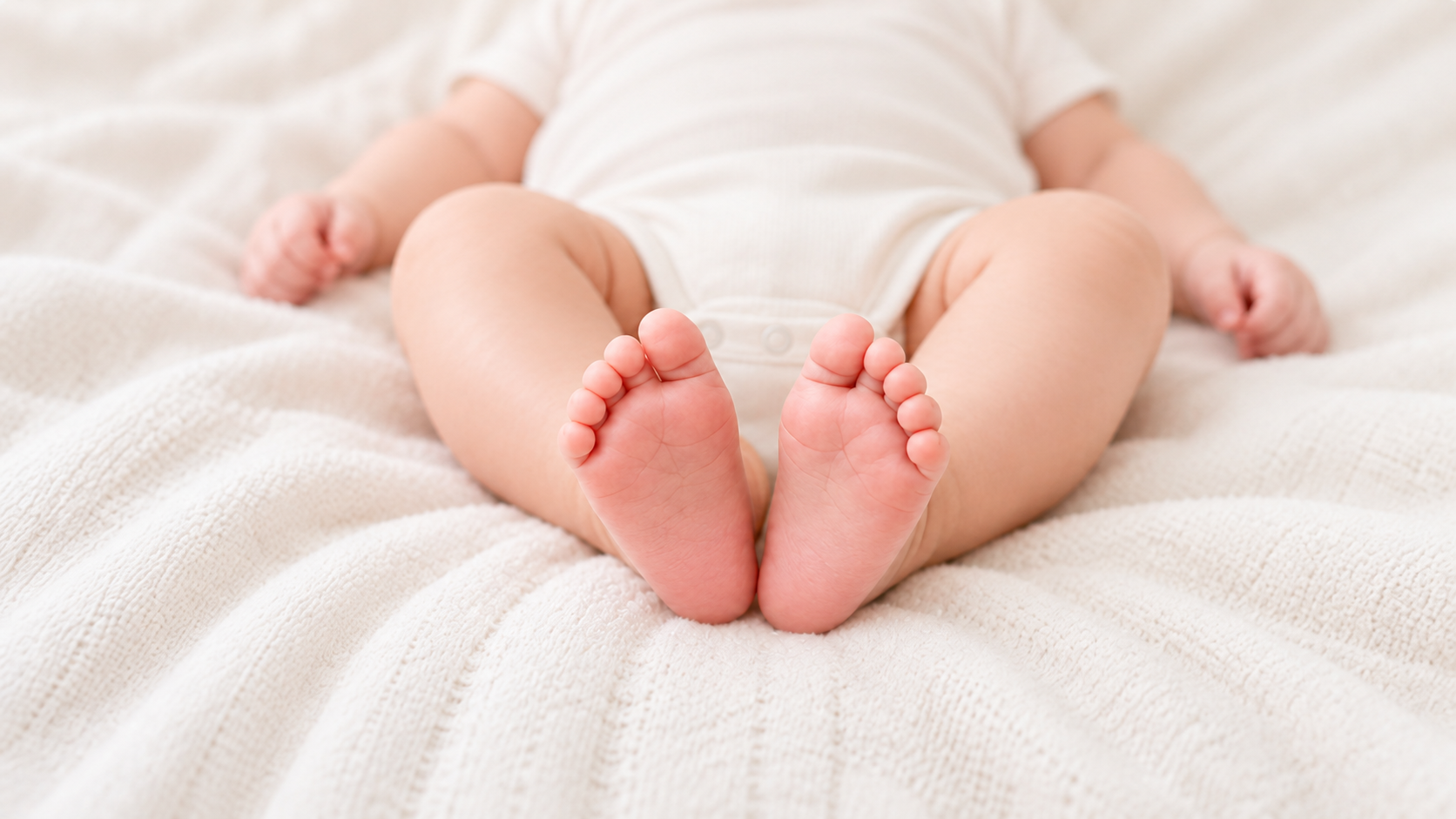
Infant Phase
Ages 0 – 15 Months
Check-in plan: Check measurements and shoe fit every 4–6 weeks.
Approximate foot growth: about 1.3–1.6 mm / month.
What If My Child Cannot Stand?
Standing is preferred, but do not force your child to stand. If your child cannot stand safely, measure both feet while seated or lying down and treat the result as an estimate.
Toddler Phase
Ages 15 Months – 3 Years
Check-in plan: Check measurements and shoe fit every 4–6 weeks.
Approximate foot growth: about 0.9–1.2 mm / month.
Preschool Phase
Ages 3 – 4 Years
Check-in plan: Check measurements and shoe fit every 6–8 weeks.
Approximate foot growth: about 0.8–0.9 mm / month.
Why Children’s Shoe Sizes Vary Between Brands
A shoe size is a label, not a universal measurement.
Different brands use different sizing systems, conversion tables, lasts and fit standards. The same labelled size can have a completely different usable inner length, width or depth in another brand. This is true even when the number on the shoe is identical.
What Does a Shoe Size Number Mean?
EU, UK, US and other sizing systems are based on different conventions and increments. A brand’s size chart may refer to:
- the child’s foot length;
- the recommended foot length for that size;
- the shoe’s inner length;
- the removable insole length;
- or a size range that already includes growing room.
These measurements are not interchangeable.
Some brands include extra growing room in their size-chart recommendation. Others show a measurement closer to the actual internal shoe space and expect the parent to allow for toe room separately. Never assume that the printed size or the brand’s chart automatically includes the correct amount of extra space.
Second-Hand Children's Shoes: What to Check Before Buying
Professional guidance advises caution with second-hand children's shoes because they may have taken the shape of the previous wearer's foot. If reuse is the practical option, inspect the pair carefully:
What to Check Before Reuse
- Flat, even outsole: look for minimal heel dragging or side wear.
- Fresh sockliner: the insole should not have permanent foot-shape impressions.
- Lightly worn: avoid a pair with a lasting shape from the previous wearer.
- Firm heel counter: the back should hold its shape without collapsing.
When to Avoid or Discard
- Slanted heel wear may affect how the shoe sits while walking.
- Deep insole moulds reflect the previous wearer's foot shape.
- A collapsed heel counter no longer holds its original shape.
- A shoe that bends in the middle of the arch may not provide a stable fit.
Research References
These sources inform the guide and explain practical measurement and shoe-fit advice. They include measurement guidance and published child foot-growth research; they do not turn this tool into a clinical assessment.
- NIST AnthroKids — public child foot measurements
Public reference tables for child foot length and breadth; not a same-child forecast.
- Ueda — Japanese preschool foot-growth study
A preschool foot-growth study informing the model's gradual change in growth rates with age.
- Feng et al. — children under three in Xi'an
A modern study measuring foot length and width during infancy and toddlerhood.
- Gould et al. (1990) — foot growth from ages one to five
A longitudinal study supporting regular remeasurement during early childhood.
- Canadian Paediatric Society — Footwear for children
Canadian guidance on toe room, heel fit, trying shoes on, and checking fit.
- Dorset HealthCare NHS — Footwear advice for children
Guidance on measuring feet, toe space, secure fastening, and fit checks.
- Royal College of Podiatry — Pre-loved children's shoes
Guidance on inspecting wear areas when families choose to reuse children's shoes.
- Bosch, Gerss & Rosenbaum (2010) — development of children's feet
A longitudinal study of foot form and loading in healthy children.
- Cheng et al. (1997) — foot dimensions under weight bearing
A study of how standing load changes measured foot dimensions.